Numuno Digital /
B2B ecommerce: catalogue, quotation or online ordering
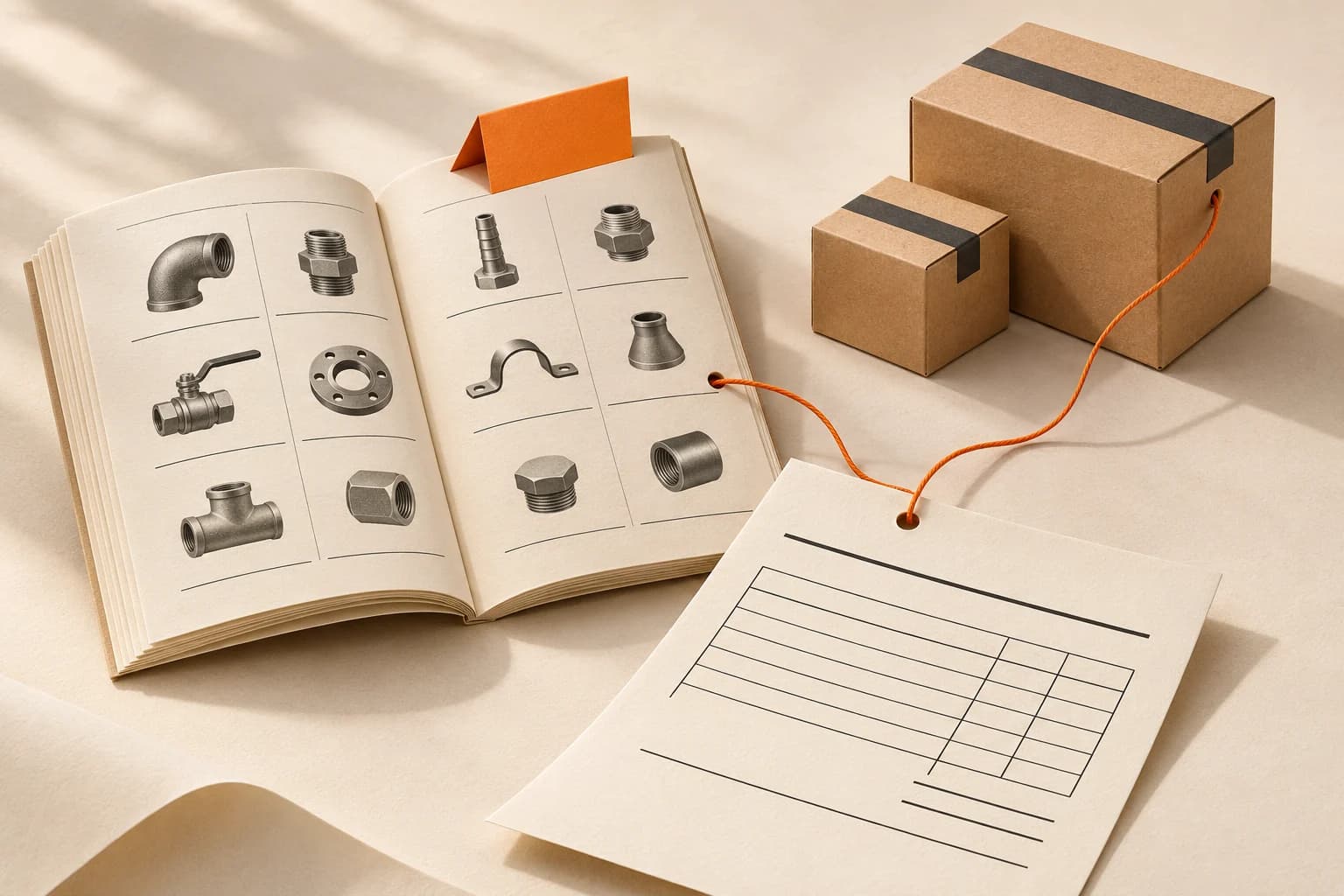
If you sell to businesses, adding a basket does not by itself solve how your customers buy. Some need quantities and delivery checked before accepting a price; others reorder the same references. Before commissioning B2B ecommerce, decide what buyers can complete independently and what your team must review. That decision determines whether you need product enquiries, quotation requests or a shop that closes orders.
By Numuno Digital, an independent web design and marketing studio in Marbella.
Choose the journey around how you close a sale
A catalogue with enquiries fits a buyer who needs guidance on a product or range. The product page helps identify the item and sends a question with its reference attached. It should not look like a completed purchase while the requirement still needs assessing.
A quotation request collects products and quantities for your team to price. Direct ordering fits when the buyer can know and accept the conditions before confirming. You can combine journeys, but each button must describe the next step: enquire, request a quotation or place an order.
Define what one unit means
On a distributor website, attractive photography cannot replace a reference, pack format or the information needed to choose. Explain whether a quantity means an item, box, batch or measurement. For variants, document the differences and which options are compatible.
Prepare a sample product record with its commercial name, code, selling unit, specifications, authorised images and useful documents. Decide whether availability is live, indicative or checked by the team. If you cannot keep a field current, avoid presenting it as an automatic confirmation.
Separate pricing, access and order approval
Before designing customer accounts, explain who can buy and which conditions each buyer sees. There may be public prices, registered trade pricing or negotiated company terms. Ask the proposal to describe who creates the account, approves access and updates changes to the commercial relationship.
Shopify documentation shows how B2B catalogues can organise products, prices and quantity rules. It is a reference for possible functions, not confirmation that every platform or plan includes them. Your project must verify the selected tool, licences and behaviour included in the agreement.
Also define whether submitting an order confirms it or leaves it awaiting commercial review. The final screen and notification should show that state. A quotation sent is not a quotation accepted; an order request does not prove that payment has been collected.
Decide what Google can find and what is private
A business may need public product information and private customer conditions. Draw that boundary before development: what a visitor without an account can see and what needs protection. Removing a menu link does not protect a confidential price list.
Google distinguishes preventing a page from appearing in search from protecting access to its contents. A noindex tag is not a password: someone with the URL could still visit the page without other protection. Ask to test private access with an unauthorised session as well as reviewing the account interface.
For the public catalogue, Google recommends navigation links between categories and products. Its crawler generally does not submit searches to an internal shop search box. Clear structure helps it discover the pages you want public; it does not guarantee rankings or sales.
Walk through an order before choosing features
Illustrative example: a packaging distributor receives a request for twenty boxes of a particular format for an Alicante business. The buyer needs the lead time and delivery cost before accepting. This is not a client case or a measured outcome.
The website could collect the reference, quantity and delivery area and explain that the request awaits a quotation. The team would then send terms for acceptance. A regular customer with agreed prices and delivery might benefit from a different repeat-order journey. Both sides need to understand what has been requested and what has been confirmed.
Specify what connects to your business systems
Do not assume the new website will read inventory, prices or customer records from your management software. Identify the tool and the data that must be exchanged. Agree which system is authoritative when records differ and who fixes a missing reference or outdated price.
A proposal should distinguish manual updates from an integration. If a connection is proposed, ask what the actual system supports and what happens when it fails. A first phase can focus on receiving complete, organised requests if the business can handle them that way. Choose the phase for its usefulness, rather than discovering that expected work was missing from the quote.
What to prepare for a B2B proposal
Send a representative product record and explain who buys, how prices are calculated and what your team checks before acceptance. Add delivery areas, languages, management software and the person responsible for the catalogue. Initial assessment can use examples without personal buyer information or passwords.
At Numuno Digital we define the website design and functions around that journey. Private accounts, payments, customer prices and connections to other systems need their own assessment; they are not assumed to be included in a corporate website. The proposal should distinguish development, content entry, external tools, maintenance and handover access.
If you are comparing B2B ecommerce providers for Alicante, assess that scope and how deliveries will be reviewed. We collaborate online from Marbella. A supplier location does not replace a clear definition of the buying process.
Test a request and an unauthorised account
Before launch, follow the agreed journey with test products and contacts. Check the selling unit, quantity, visible conditions, final state and receipt by the team. Also check what a visitor without an account sees and what happens if someone tries to access another company’s information. Never use real buyer records in a public demonstration.
After launch, distinguish requests received, quotations sent, acceptances and confirmed orders or payments. This helps identify missing product information, details your team repeatedly has to ask for and steps worth simplifying. The website should support the commercial process you defined; you can expand its scope as you learn.
B2B website questions
Can I start without taking payment online? Yes. A catalogue with requests can be a first phase if it clearly explains how quotations are prepared and accepted.
Must all prices be public? Not necessarily. Decide what helps attract enquiries and what needs private access. Check the protection, not just whether a price is visually hidden.
Do I need an ERP connection on day one? That depends on the task and how data is maintained. Assess the actual system; using the term B2B does not make integration automatic.
Is this the same as taking a physical shop online? They share catalogue and service needs, but sales between businesses may require specific pricing, approvals and repeat orders. Explain those differences before comparing platforms or quotes.
Reviewed on 4 November 2026. B2B project preparation guide informed by Google and Shopify documentation. The example is illustrative; no client data or promised commercial results are presented.
Your checklist before starting.
- Enquiry, quotation or ordering journey defined
- References, variants and selling units documented
- Customer prices and access permissions agreed
- Public catalogue and private information separated
- Request, acceptance and payment states clear
- Data ownership and integrations specified in the proposal
- Buying journey and access tested before launch